
Over 20 years experience of training in the care sector
Call us on
020 3129 5667
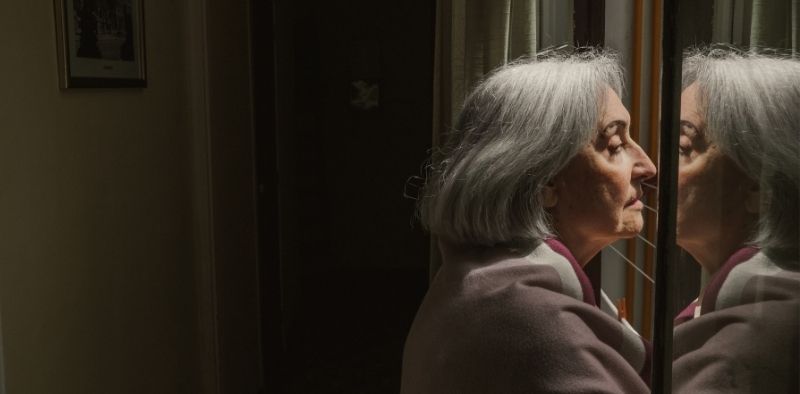
Every person living with dementia carries a lifetime of memories, experiences, achievements, and relationships. Life story work in dementia is a structured approach to using this personal history to inform care. Charities such as Dementia UK and Age UK emphasise that knowing a person’s past is not merely sentimental. It provides practical insight into the individual, helping staff deliver care that respects identity, reduces stress and confusion, and improves overall well-being.
Life story work in dementia enables carers to see the person, not just the diagnosis, and allows for interventions that are more meaningful, personalised, and effective.
Life story work in dementia involves gathering and using a person’s background to guide day-to-day care. Methods include:
Fact files or My Story templates: Capture where the person grew up, work history, family relationships, hobbies, and achievements. Dementia UK provides helpful templates.
Memory aids: Photos, memory boxes, familiar music, or objects associated with the person’s past.
Reminiscence therapy: Structured activities and prompts to help individuals recall and share their memories.
Using life story work in dementia has tangible benefits for both the individual and the care team:
Supports identity: Maintains a sense of self even as memory fades.
Reduces anxiety and behavioural issues: Familiar triggers from the person’s past can prevent agitation or distress.
Improves communication: Staff can engage more meaningfully through topics that matter to the person.
Enhances quality of life: Activities and interactions become more meaningful, enjoyable, and comforting.
Integrating a person’s past into care ensures interventions are tailored rather than generic, enhancing engagement and satisfaction.
Start as early as possible, ideally involving family members and, where feasible, the individual themselves. Early collection ensures staff can immediately incorporate meaningful details into care routines.
Photos and albums
“This is Me” one-page profiles
Life story booklets summarising important events, hobbies, and relationships
Memory boxes or objects connected to significant memories
All staff who interact with the person should have access to life story information, not just primary carers. Regular team briefings and updates help ensure continuity and shared understanding.
Life story work in dementia is not static. People’s preferences, interests, or memories may evolve over time. Regular review ensures care remains personalised, meaningful, and relevant.
Reduces stress and distress: Familiar cues and stories help calm anxiety and prevent challenging behaviours.
Encourages engagement: Activities and conversations based on the person’s history are more likely to capture attention and interest.
Strengthens relationships: Both family and staff benefit from a shared understanding of the individual’s experiences.
Supports regulatory compliance: Person-centred approaches align with CQC expectations and NICE guidance.
By integrating life story work in dementia into daily care, staff create a more responsive, compassionate, and effective environment.
Training is essential. Staff confident in life story work in dementia can:
Collect and document past experiences accurately
Use reminiscence and memory aids effectively
Apply historical knowledge in care planning and daily routines
Reflect on practice and continuously improve care delivery
Structured CareTutor courses equip staff with practical methods for gathering, sharing, and using life story information, supporting high-quality, person-centred dementia care.
Our Dementia Care modules – Dementia Care 1: Understanding Dementia and Dementia Care 2: Person Centred Dementia Care, explore myths and stereotypes of Dementia, person-centred care techniques, and communication strategies.
Click below to access our full Knowledge Hub E-Book, featuring this article, related insights, and other key topics across health and social care, with links to trusted resources and official websites.
CareTutor delivers training that is fully accredited and regulator aligned.
👉 Book a free demo today.