
Over 20 years experience of training in the care sector
Call us on
020 3129 5667
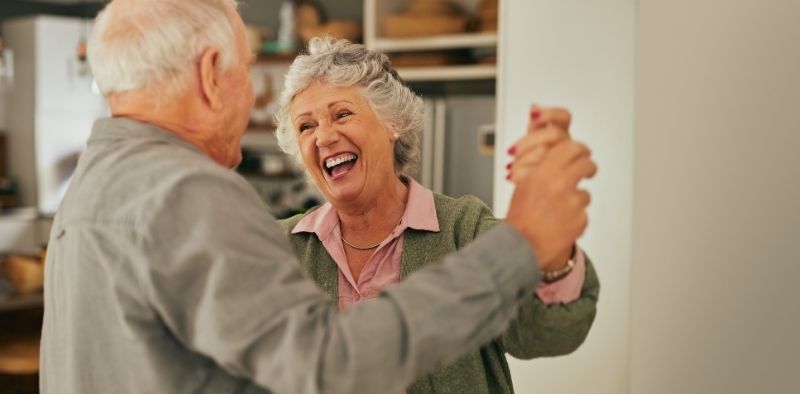
Music is one of the most powerful tools for enhancing wellbeing in care settings. It supports memory, mood, and connection, particularly for residents living with dementia. Familiar songs can unlock memories, reduce anxiety, and help people communicate when words are hard to find. According to Dementia UK, personalised music can help people reconnect with their sense of identity and emotion. The NHS also encourages the use of creative and social activities such as singing, dancing, and reminiscence sessions to boost cognitive and emotional health.
Incorporating music and reminiscence into daily routines helps create meaningful moments and strengthens relationships between staff, residents, and families. The key is to approach these activities safely and sensitively, ensuring they reflect each person’s preferences and needs.
Personal playlists
Work with residents and families to create short playlists of meaningful songs. Label tracks as “energising” or “soothing” so they can be matched to a person’s mood or time of day. Even a few familiar tunes can transform the atmosphere and promote positive engagement.
Prime the moment
Choose the right time of day when the person is most alert or relaxed. Reduce background noise, close windows if necessary, and offer headphones if a quieter, more focused experience is preferred.
Make it participatory
Participation is more valuable than performance. Encourage singing, tapping, gentle movement, or playing simple percussion instruments such as maracas or tambourines. Group sessions can help residents connect with each other and improve social confidence.
Reminiscence prompts
Pair music with visual or tactile cues such as photos, postcards, or familiar household objects. Linking a favourite song to a past event, such as a wedding or holiday, can encourage conversation and storytelling. Objects like ticket stubs, recipe cards, or scarves can add a sensory element that deepens the experience.
Watch for overwhelm
If a resident becomes agitated or emotional, lower the volume, switch to calmer music, or pause the session entirely. Always observe body language and facial expressions for signs of discomfort.
Safety should always guide the use of music and reminiscence.
Check that hearing aids are in place and comfortable before starting.
Avoid sudden loud volumes or overlapping sound sources.
Offer culturally appropriate and faith-sensitive choices, ensuring inclusion and respect for personal beliefs.
Document each resident’s musical preferences, any known triggers, and best approaches in their activity plan.
By considering safety and cultural relevance, staff can create positive experiences that enhance wellbeing without causing distress or sensory overload.
Inspectors, including CQC, are not looking for excessive paperwork but they do expect clear, person-centred evidence. A few short notes after each session can show reflective practice. Document what you tried, how the person responded, and what you plan to repeat or adjust next time.
Examples include:
“Mrs T smiled and sang along to her wedding song – will repeat on Friday mornings.”
“Mr A found loud music overstimulating – reduce volume and play shorter sets.”
This demonstrates a personalised and evolving approach to meaningful activity, aligned with Regulation 9 (Person-centred care) and NICE guidance on mental wellbeing in older adults.
To explore the benefits of music further, staff can access high-quality guidance from trusted sources:
Dementia UK – Music and dementia offers practical advice on how music supports emotional connection and memory.
NHS – Activities for dementia provides examples of creative and social ideas suitable for different stages of dementia.
These resources support carers in delivering safe, evidence-based activities that contribute to residents’ wellbeing and engagement.
Click below to access our full Knowledge Hub E-Book, featuring this article, related insights, and other key topics across health and social care, with links to trusted resources and official websites.
CareTutor delivers training that is fully accredited and regulator aligned.
👉 Book a free demo today.