
What Low-Cost Care Home Activities Work Well All Year Round?
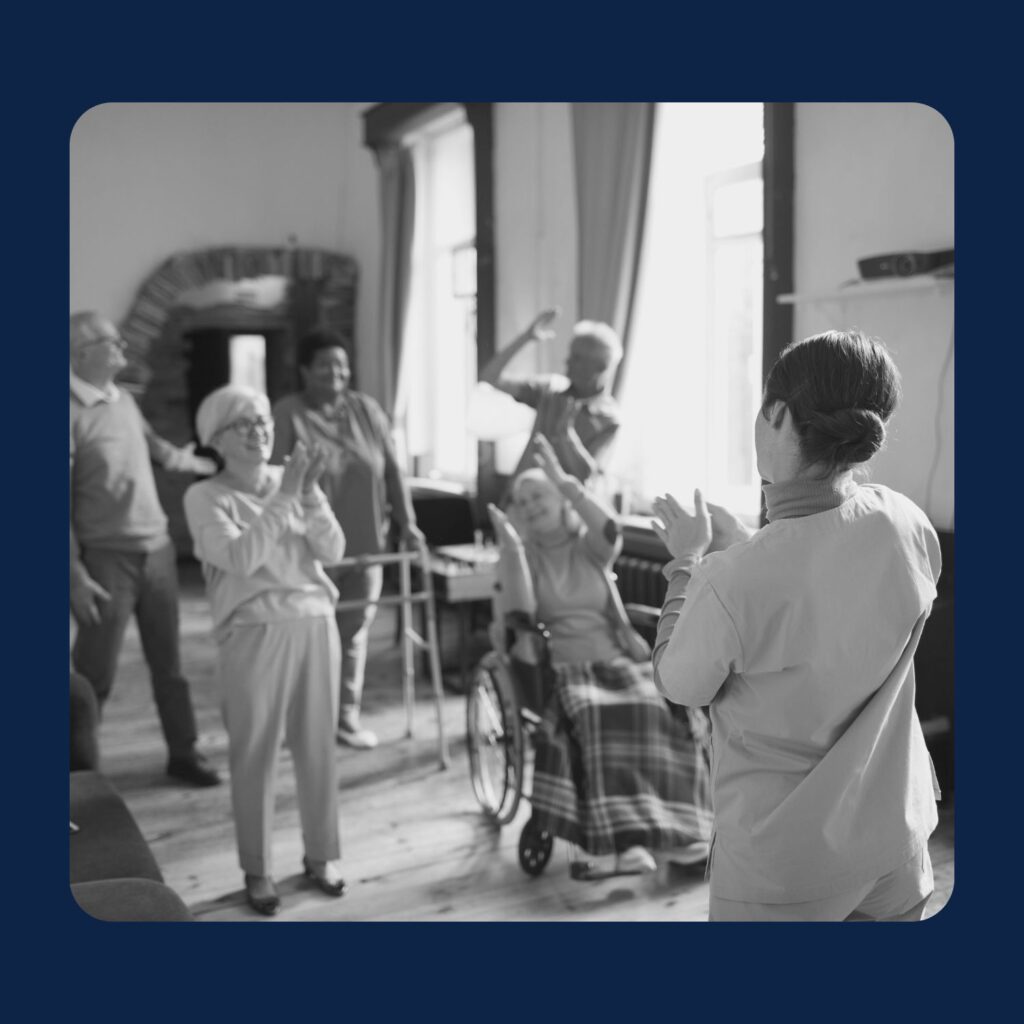
Meaningful activity doesn’t need big budgets, small, frequent moments count. Build a rolling calendar with seasonal themes…
How Do We Measure the Impact of Care Home Activities and Show It to Inspectors?
Inspectors don’t want piles of paperwork, but they do want assurance that activities improve wellbeing. SCIE recommends simple…
How do we make group activities inclusive for everyone?
NICE advises a choice of group and 1-to-1 activities that build independence and mental wellbeing; activities should be accessible…
How can we use music and reminiscence safely and well?
Music supports memory, mood and connection, particularly for people living with dementia. Dementia UK highlights how familiar music can…
How do we build a person-centred activity plan that really works?
NICE says older people in care homes should have daily opportunities for meaningful activity that promotes health and mental wellbeing. CQC’s Regulation…
How Can Supported Living Services Keep People Safe?

Supported living gives people more independence, but providers must still make sure care is safe, effective and dignified. Safety in this context is about…
What Does Person-Centred Care Look Like in Supported Living?
Person-centred care means putting the individual’s choices, rights and goals at the heart of everything. In supported living, this is especially important because…
How Can Staff Promote Independence in Supported Living?
Supported living is designed to help people live as independently as possible, with the right level of support. The role of staff is not to “do for” people but to…
What Rights Do Tenants Have in Supported Living?
In supported living, the person is not a “resident” but a tenant (or leaseholder/licensee) with the same rights and protections as anyone renting their…
What is Supported Living in Health and Social Care?
Supported living helps people live in their own home (alone or with others) with tailored support to stay independent. Crucially, housing and support are separate…
What is the Link Between Down’s Syndrome and Dementia?

People with Down’s syndrome are at higher risk of developing dementia, particularly Alzheimer’s disease, as they grow older. Studies suggest that by age 40…
How can families support a loved one with dementia?
Family support makes a huge difference to wellbeing. The goal is to keep the person involved in everyday life, protect their independence and dignity, and make sure…