
Over 20 years experience of training in the care sector
Call us on
020 3129 5667
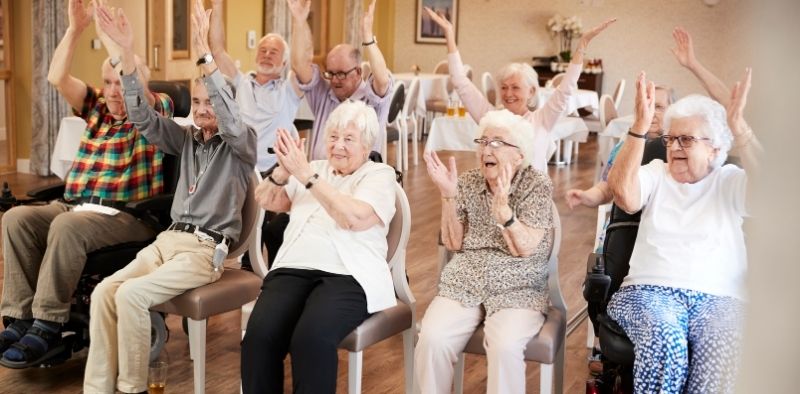
A person-centred activity plan ensures that every resident in a care home can take part in activities that are meaningful, enjoyable, and appropriate to their needs. The Care Quality Commission (CQC) expects activity planning to form part of person-centred care under Regulation 9, which requires that care is designed around individual wishes, strengths, and preferences. Similarly, NICE guidance on the mental wellbeing of older people in care homes highlights that daily opportunities for purposeful and social activity promote both physical and emotional health.
A well-designed plan not only enhances residents’ quality of life but also provides clear evidence of good practice during inspection. It demonstrates that activities are not simply provided, but thoughtfully adapted to each person’s abilities, background, and goals.
Building a meaningful activity plan begins with understanding the person behind the care plan. Use life story tools, a short “About Me” profile, and input from family members or friends. Ask about their former work, hobbies, favourite music, pets, cultural background, and daily routines. Understanding what energises or overwhelms them helps you plan activities that bring comfort and confidence rather than frustration.
Tools such as NICE’s Quality Statement 1: Participation in Meaningful Activity provide guidance on tailoring activity to each person’s interests and health needs.
A good person-centred activity plan uses clear and achievable outcomes. Examples might include:
“Feel calmer after lunch.”
“Keep hands nimble and flexible.”
“Stay connected with grandchildren through video calls.”
Each goal should link to the individual’s broader wellbeing and care outcomes, such as communication, mobility, or nutrition. Recording these outcomes allows staff to monitor progress and adjust plans when needed.
Person-centred activity planning works best when it balances both structured and spontaneous opportunities. Planned activities, such as music groups or gentle movement sessions, give residents something to look forward to. Equally important are everyday moments – chatting while laying tables, helping water plants, or sharing a cup of tea.
NICE encourages both structured and ad-hoc engagement, as it supports independence and emotional wellbeing throughout the day rather than just at scheduled times. This approach makes activity feel natural rather than institutional.
Accessibility is at the heart of a strong person-centred activity plan. Offer options that suit different physical and cognitive abilities: seated or standing variations, quieter environments for those with dementia, and brighter, more stimulating settings for others. Use large-print prompts, high-contrast colours, and clear visual cues to help residents follow along.
Even small adjustments, such as using lighter materials for craft activities or simplifying instructions, can make participation easier and more enjoyable. This aligns with CQC’s Regulation 9 on personalisation and inclusion, which inspectors use to assess whether care is tailored and equitable.
Keep activity records brief but meaningful. One page in the care plan should show:
The person’s interests and preferred activities
What to avoid or adapt
The best time of day for engagement
Signs that show enjoyment or discomfort
This information helps all staff deliver consistent support and can be updated quickly as preferences change.
Preferences and abilities evolve, so activity plans must be reviewed regularly. Schedule short monthly check-ins with the resident and their family to discuss what is still enjoyable and what needs changing. Reviewing also provides strong evidence during inspection that care planning is dynamic and genuinely person-led.
Give residents purposeful “job” roles such as folding napkins, helping with a post-round, or arranging menus.
Offer five-minute sensory visits using hand cream, lavender sachets, or textured fabrics.
Use photo prompts to encourage conversations about travel, work, sports, or family.
Encourage micro-moments of connection, such as reading together or watering plants, which can have lasting emotional benefits.
To show impact, link activity planning directly to Regulation 9: Person-centred care on the CQC website. Evidence might include:
The resident’s “About Me” profile
Their individual activity plan with outcomes
Short engagement and mood notes
Examples of adaptations made based on feedback
This shows that activities are meaningful, reviewed, and responsive – key indicators of high-quality, person-centred care.
Click below to access our full Knowledge Hub E-Book, featuring this article, related insights, and other key topics across health and social care, with links to trusted resources and official websites.
CareTutor delivers training that is fully accredited and regulator aligned.
👉 Book a free demo today.