
Over 20 years experience of training in the care sector
Call us on
020 3129 5667
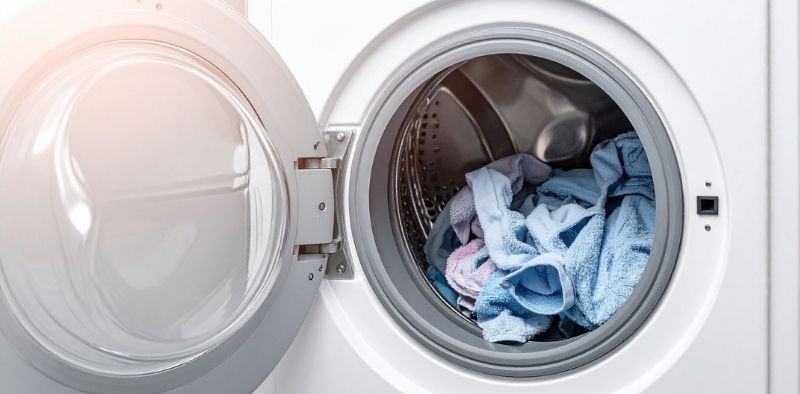
Handling laundry and waste safely in care homes is vital to prevent infections such as MRSA, C. difficile, flu, and norovirus. Staff, residents, and visitors are all protected when correct procedures are followed. The UK Health Security Agency (UKHSA) Care Home Infection Prevention and Control guidance and NHS clinical waste guidance set clear standards for managing laundry and waste. Care Quality Commission (CQC) inspectors expect compliance with the Health and Social Care Act 2008: Code of Practice on infection prevention and control.
Effective handling reduces cross-contamination, ensures regulatory compliance, and creates a safe environment for everyone in the care setting. It also reassures families and staff that hygiene and safety are prioritised.
Handle laundry as little as possible. Always wear gloves and aprons when touching used items, and change PPE between handling different loads to prevent the spread of germs.
Used laundry should be placed directly into a designated laundry bag at the point of use. Heavily soiled or infected items should go into a red alginate bag inside a clear or white outer bag.
Laundry trolleys and bags must be kept clean and never overfilled. Overcrowded trolleys can increase the risk of contamination and make it harder to separate clean and dirty items.
Use mechanical washing at the correct temperature cycle. For infected items, this is usually 60°C with detergent. Dry all items thoroughly before reuse. Avoid manual rinsing or shaking of laundry as this can spread infectious particles.
Always store clean and dirty laundry separately. Dirty laundry should never be stored near food preparation areas or clean linen. Clearly labelled storage areas and colour-coded bags help staff maintain proper segregation.
Care homes must use a colour-coded waste system:
Orange bags: Infectious waste, such as PPE used during an outbreak.
Yellow sharps bins: Needles and other sharp items.
Black/clear bags: Domestic, non-infectious waste.
Tie bags securely before moving them to storage areas. Avoid overfilling bags or bins to reduce the risk of spillage.
Waste should be kept in a designated, locked area until collection by a licensed contractor. This prevents unauthorised access and reduces infection risks.
Sharps bins must be used at the point of use. Never overfill; close and sign the bin when it reaches three-quarters full. Staff should be trained on safe disposal techniques and the risks of needle-stick injuries.
Display clear, simple posters showing which bag to use for each type of waste.
Include domestic staff in infection prevention and control training, as they are essential to safe handling.
Conduct regular audits of laundry and waste handling to identify gaps and improve practice.
Rotate staff roles to ensure everyone understands the correct procedures.
Practical examples include assigning a designated staff member to check daily laundry temperatures, or keeping a checklist of weekly bin changes and sharps disposal records to ensure nothing is missed.
CQC inspectors will check that:
Staff use the correct PPE when handling laundry and waste.
Policies are clear, up to date, and staff are trained in safe handling.
Clean and dirty laundry are stored separately.
Waste contractors are licensed, and disposal records are kept.
Staff can explain procedures and demonstrate safe practice.
Documenting incidents, near misses, or changes made to improve hygiene is valuable evidence during inspections.
Maintain simple logs to show compliance. Examples include:
Laundry temperature records and cycle checks.
Sharps disposal logs with bin sign-off.
Audits of waste segregation and staff PPE use.
Reflection notes from staff on improvements or challenges.
Link these records to overall infection prevention strategies and care plans. Evidence that procedures are monitored and adapted shows a proactive approach to resident safety.
Further guidance is available from Adult Social Care Infection Prevention and Control NHS clinical waste guidance and the CQC IPC Code of Practice These resources help care homes understand the standards for laundry and waste safely in care homes and support staff in following best practice.
CareTutor’s Infection Prevention & Control in the Care Home eLearning course equips staff with practical knowledge and skills to handle laundry and waste safely in care homes, prevent infections, and maintain a safe and compliant environment.
Click below to access our full Knowledge Hub E-Book, featuring this article, related insights, and other key topics across health and social care, with links to trusted resources and official websites.
CareTutor delivers training that is fully accredited and regulator aligned.
👉 Book a free demo today.