
Over 20 years experience of training in the care sector
Call us on
020 3129 5667
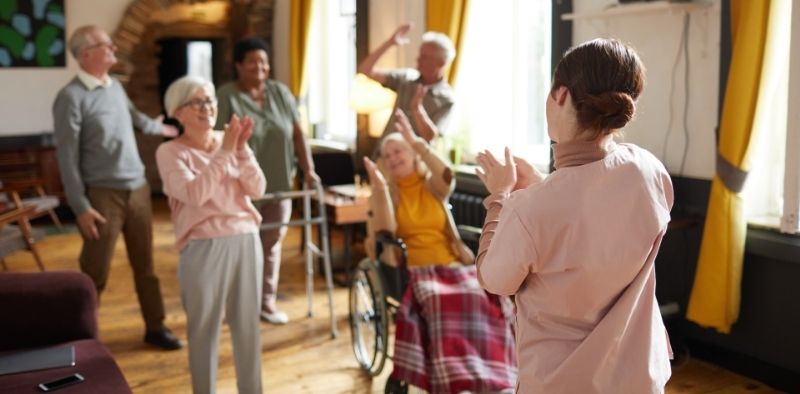
Measuring the impact of care home activities is essential for demonstrating that engagement efforts truly enhance residents’ wellbeing. While inspectors do not expect mountains of paperwork, they do want reassurance that activities are meaningful, personalised, and evidence-based. The Social Care Institute for Excellence (SCIE) recommends simple, local measures that capture outcomes that matter to people using services. Meanwhile, NICE’s quality standard QS50 emphasises that residents should have daily opportunities for meaningful activity.
Low-cost, low-burden measurement is not only more sustainable for staff but also provides clear evidence for inspections. Collecting data does not need to be complicated. Focus on what residents gain from each activity and how this links to wellbeing, mood, mobility, social interaction and overall quality of life.
When thinking about how to measure the impact of care home activities, simplicity is key. Start by defining the outcome you want to capture. Examples include:
Residents feel calmer after lunch
Increased social interaction during group sessions
Walking to the garden three times a week
Light-touch tools are highly effective. Use a three-point mood scale before and after the activity, brief engagement notes, or a weekly “what went well/next time” line. These simple methods are far more useful than long reports and show genuine change over time.
Case notes should remain concise. One or two sentences per session are sufficient if they demonstrate engagement, adaptation or improvement. Always close the loop by sharing summaries in handovers, reviewing what worked, and adjusting future activities accordingly.
Inspectors will look for clear, observable evidence that residents are benefiting from activities. Key items include:
About Me profiles and activity plans that link activities to personal interests, abilities and life history
Activity logs that capture outcomes, adaptations, and levels of engagement
Photographs of participation and completed projects, with consent
Examples of changes made as a result of feedback, such as adjusting session length, moving to a different time of day, or selecting alternative activity types
Additionally, connecting activities to wider outcomes such as nutrition, mobility, communication and sleep provides a more holistic picture of residents’ wellbeing. For example, a gardening activity could contribute to physical exercise, provide fresh herbs for meals, and encourage conversation between residents.
Not all residents engage in the same way, so it is vital to tailor activities and track individual responses. For instance, a person with dementia might benefit from a short, repetitive music session, while another might prefer a creative craft activity that takes longer to complete. By noting how each individual responds, staff can demonstrate that activities are person-centred and adapted to resident needs, which aligns with SCIE’s guidance on evaluating personalised care.
Simple observation, paired with a few notes, helps you capture subtle improvements. Look for:
Changes in mood or facial expressions
Increased verbal or non-verbal communication
Willingness to participate in future sessions
Improved confidence or independence in specific tasks
These observations, combined with short, structured notes, provide a powerful record of outcomes without overburdening staff.
To reduce administrative load, integrate measurement into everyday care activities. For example:
Add a brief engagement check to handover notes
Ask staff to jot one positive outcome per session
Encourage residents to give feedback or rate activities using simple smiley faces or coloured stickers
Over time, these small, repeated observations build a clear picture of how residents benefit from low-cost care home activities. This is not only useful for inspections but also supports continuous improvement and staff reflection.
Drawing on external guidance strengthens credibility and supports inspection evidence. For example:
SCIE – Evaluating personalised care offers practical approaches for assessing outcomes that matter to residents
NICE QS50: Meaningful activity sets clear standards for daily engagement opportunities in care homes
These sources can help you design, monitor, and demonstrate meaningful activity programmes effectively.
Click below to access our full Knowledge Hub E-Book, featuring this article, related insights, and other key topics across health and social care, with links to trusted resources and official websites.
CareTutor delivers training that is fully accredited and regulator aligned.
👉 Book a free demo today.